10TEN Powered by JHL
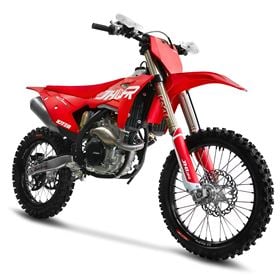
10TEN JHL LX250R Dirt Bike
10TEN JHL LX250R Dirt Bike
Finance available with Snap & Humm
Spread the cost from £250. Our team arranges your finance — subject to status.
Couldn't load pickup availability
10TEN JHL LX250R Dirt Bike at Patriot Bikes in Wakefield. YK250 engine with five gears. Compare its engine and controls with the other petrol bikes in the range to choose the right step for the rider.
Specifications and features
| Specification | Details |
|---|---|
| Model feature | YK250 engine with five gears |
| Model feature | electric start |
| Model feature | disc brakes |
| Model feature | 96 cm seat height |
| Model feature | 6 L tank |
Compare the full range at Patriot Bikes.
Buying and ownership guide
Start with how the bike will be used
Decide whether the main use will be short sessions, repeated practice on a closed course, or longer riding on land where you have permission. Those are different jobs. For practice, a rider who can stop, dismount and reset smoothly is likely to get more from the session than someone trying to manage a bike they can barely hold upright. For a longer session, the access route, storage and transport may influence your choice just as much as the riding itself. Make a short list of the usual terrain and conditions and compare models against that list. If you only need a bike for one surface, you can focus on the tyres, controls and chassis that suit that surface.
How to check rider fit
Measure inside leg in riding boots and compare it with the published seat height. Treat the result as a starting point because saddle width, suspension sag and boot shape all change practical reach. Check the rider can turn the bars each way without needing to stretch, comfortably operate the brake or clutch, and support the bike when it leans a little at walking pace. For younger riders, repeat the checks while they wear their usual gloves, since thick gloves can change lever reach. Ask Patriot Bikes about a showroom fit check in Wakefield if you are between models. A measure taken while sitting on a retailer’s stationary bike will often settle a choice more reliably than an age band.
Compare wheel sizes for the ground you ride
A wheel measurement has more value when you know the terrain and the other model in the comparison. A larger front wheel tends to roll more smoothly across a given small obstacle, while a compact wheelbase and lower stance may make a bike easier to handle in a slow turn. Check the front and rear separately on a staggered setup. Note the tyre profile and tread as well as the rim diameter. The same nominal wheel diameter can feel different with a deeper off-road tyre, different tyre width or different inflation pressures. If a supplier provides measurements in a tyre-code format, use the final number for rim diameter and check the complete sidewall marking when you order a replacement.
What weight and wheelbase change
Bike weight matters most in situations that a headline performance figure overlooks. Consider moving the bike around a garage, loading it into a trailer, and recovering it after a low-speed drop. Where the weight sits changes how heavy it feels when setting off, braking or turning. A longer wheelbase and a lower seat do different things, so compare both where the manufacturer publishes them. When comparing weight figures, look for a consistent definition that includes the battery or fuel where relevant. Combined shipping weight and assembled running weight answer different questions. If you are planning to lift the machine, treat the heavier case as the practical starting point and make sure your equipment is suitable.
Automatic, semi-automatic and manual gearboxes
An automatic model removes gear selection from the rider’s first sessions. A semi-automatic model can add gear selection without the same hand-clutch routine as a manual bike. A manual gearbox adds clutch control to throttle and brake inputs. Ask how the exact gearbox is laid out and where neutral sits so the rider can understand the sequence while the bike is stationary. If you are choosing a first petrol bike, check confidence with stops and starts as well as fit. For an experienced rider, compare both the number of gears and the way the bike responds at lower speeds on the terrain where you ride.
Engine cooling, starting and fuel
Petrol bikes use different cooling and starting arrangements. A liquid-cooled machine adds cooling circuit components to the items to inspect, while an air-cooled engine is laid out differently. Electric start and kick start change how the rider restarts the bike during a session. Check reach and how to locate the starter controls before riding. Ask which fuel and oil the exact engine requires and follow the applicable manual, including the run-in and service recommendations. Store and transport the bike in accordance with the manufacturer’s guidance. Sound requirements vary by riding venue, so check with the site before planning a visit.
Chain drive and routine service considerations
Find the service schedule, parts list and handover instructions for the exact petrol model. Familiarise yourself with where to check the oil, inspect the air filter and check the chain condition. Wet or dusty riding can make pre-ride and after-ride checks more important. The chain and sprockets wear together over time, so a part number and model year can be as useful as the name when you need replacements. If you notice an unusual sound, excess play or a change in control feel, arrange a check before the next ride. Confirm servicing options with the workshop if you are new to petrol off-road motorcycles.
How engine size relates to the rider
Treat engine displacement as one part of the specification. Gearing, controls, tyre size, bike weight and suspension layout also change what the rider feels, especially at slow speeds. Two bikes with similar engine displacement may use a different gearbox or suspension design. A smaller automatic model and a larger manual model sit far apart in the experience they suit even where both share the same family branding. Choose an engine and control arrangement appropriate to the rider’s experience, the terrain and the amount of space available for a predictable stop. If uncertain, see how the rider fits two models side by side.
Make the controls part of your comparison
On a first showroom visit, walk through how the rider starts the bike, releases power, brakes and shuts the bike down. Check which controls the rider can use without looking at their hands. If the model has different modes or gears, ask how changes are made and what the control position looks like. Review the user manual for the exact version, especially if comparing a new model with a used example or an earlier production run. Small details matter repeatedly during every ride, including the placement of the restart switch, the shape of the controls and the reach required to grip both brake levers.
Suspension and brakes in practice
Published suspension travel describes movement available at a particular point. The rider will also feel spring support, damping and how part of the available movement is used while sitting on the bike. Compare adjustable equipment only when you know which adjustment is available, such as rebound, compression or preload. For brakes, look at lever reach and the kind of riding you expect before comparing disc diameter. If you intend to ride on mixed surfaces, pay attention to how easily the rider can apply the controls progressively at low speeds. Use the manufacturer’s instructions for settings and ask the workshop about setup when adapting a bike to a different rider.
Plan where it will be ridden
Check suitable access before choosing any off-road model. Contact the venue or landowner directly and ask what type of machine they accept, when they allow riding, whether any age rules apply and what equipment they require. Venue rules can be different for petrol and electric bikes and can change between sessions. Expect to transport an off-road model to its riding location and verify separately whether the specific machine has road registration and approval before planning any road use. Electric power alone does not establish whether a machine qualifies for road use. The exact model designation and paperwork matter if that is a requirement.
Transport, storage and delivery
Measure access through gates and storage doors, including space to turn around the bike. For transport, confirm the dimensions, tie-down points, ramp arrangement and capacity of your vehicle or trailer. Inspect the bike when it arrives and make a note of any missing items or damage before first use. Ask us about the delivery or collection options for the exact model and postcode. Make sure the person receiving the machine has enough space to inspect it and move it safely. If you are collecting from Wakefield, ask what format the bike will be supplied in so you can plan the right vehicle and equipment.
Prepare for the first session
Set aside a few minutes to familiarise the rider with the controls before a full session. Have a clear, level area and plenty of stopping room. The rider should know how to bring the bike to a stop, turn it off and get help if something does not feel right. Read the handover information and keep the manual accessible. Plan short, unhurried practice sessions with breaks and use any applicable venue supervision requirements. Check tyre condition, brake response, throttle return and wheel security following the manual. Ask the workshop to review any issue with a control or a part that you cannot identify confidently.
Check ongoing ownership costs
Make a simple list of normal wear items, your transport costs and any service requirements. Compare tyre and brake part availability, especially if you ride regularly or share a bike across different terrains. Confirm what is included with the specific product before budgeting for chargers, batteries, tools or fluids. An appealing sale price can be less useful if the bike does not fit or takes extra equipment to use where you intend. Keep the model reference and serial number accessible after delivery so the workshop can check compatibility before ordering a part. If you buy protective equipment at the same time, choose it to suit the rider and venue rules.
Use the gallery to check practical details
Use the side views to judge where the rider’s weight will sit in relation to the wheels and controls. Check front and rear photographs for tyre shape, mudguard position and brake layout. Look closely at the images when choosing between colour options because names can describe frame details or graphics differently across a supplier’s range. A catalogue photo may be from a different production run, so ask Patriot Bikes to confirm details that matter to you before placing an order. If you have a storage or transport constraint, use the published measurement or ask for a measurement instead of estimating size from perspective in a photograph.
Compare the details that apply to the exact bike
Read each value together with its units and how it was obtained. For example, a route distance and ride duration reflect different things, just as available wheel sizes and the published height band describe different aspects of fit. Note which figures are measured with the equipment installed, and ask for clarification when a distributor publishes two values under slightly different labels. Keep a shortlist of the three details that matter most to you, then compare each bike on those details. It is worth confirming anything that would affect eligibility at your chosen venue, space in your transport vehicle, or the rider’s ability to use the controls confidently.
Getting help after buying
Keep the product confirmation, model reference, colour, serial number and a few photos taken at handover. When contacting the workshop, describe when the issue first occurred, whether anything changed before it started and whether it happens all the time or only in a particular setting. For parts enquiries, include a picture of the original component and its markings if they are visible. A good description can help identify the right part and avoid unnecessary trips. Follow maintenance intervals for your exact model. If you cannot identify a service procedure or are unsure about a safety-critical component, our Wakefield team can discuss inspection and parts options.
A useful shortlist before contacting the showroom
Have the rider’s height, inside-leg measurement and experience ready, together with the model or two models you are considering. Note your preferred use, venue and storage location. For a bike you want delivered, provide the destination postcode and any access limitations. For parts, have the serial number or model year and a clear part description. Those details help the Patriot Bikes team answer practical questions about fit, ordering and handover. If you are buying a gift, check how the bike will be collected, hidden or stored, and whether the person receiving it can visit the showroom later for a fit check.
Servicing and cleaning between outings
Follow the manual’s cleaning instructions and start by removing loose dirt with tools appropriate to the finish. Dry the bike properly and inspect accessible wear components while they are easy to see. Dirt can hide damage, fraying or a loose fastener, so a regular visual inspection helps you catch issues early. Avoid directing water at bearings and electrical connectors. Check what lubrication and adjustment the manufacturer specifies for the exact drive arrangement. A maintenance note with dates and parts fitted can save time for later service or warranty enquiries, especially when two versions share a model name.
Build a setup that suits the rider
Think beyond the first ride and plan which settings and checks you will revisit after the rider has experience with the bike. Controls may feel fine while stationary but need a different reach when the rider is in boots and gloves. Note the manufacturer’s baseline settings so adjustments can be discussed with a technician. A rider moving up from a smaller bike may need time to get used to more steering lock, a different lever feel or a different seat shape. Work through one change at a time so the rider can identify what helped. Keep a written record if the machine is shared with another rider.
Comparing current and older model versions
The same model family can have several updates. A new graphic or colour can appear without changing the mechanical specification, and a familiar name sometimes carries a change to wheels, motor or brakes. For an older bike or a replacement part, compare the full version and model year against the current listing. For delivery, ask whether the advertised colour uses the same fittings and components as the photographed bike. Where you already own a charger, stand, transport system or spare parts, check marketplace and supplier references against the exact model before assuming you can use them with the new bike.
Make the most of the showroom visit
Start by sitting on the model you think you want and one close alternative. Check handlebar reach at different steering angles, foot position and how comfortably you can lift the bike upright. If the rider is a child, have them show how they would stop and switch off with the bike stationary. Bring the kit they normally wear so you can see how it affects reach. Ask to see the controls, charging port or service access points that will be part of regular use. Before leaving, make a note of what you want to confirm about availability and delivery.
Match the learning step to the rider
If the rider is moving up from another bike, describe what they already do confidently and what they are still learning. A first step might be smoother stops, controlling a heavier bike at low speed, selecting gears, or learning to use different ride modes. A change in wheel size and a change in power at the same time may feel bigger than either change alone. Compare a model that lets the rider carry over familiar skills with one that introduces several new controls. Discuss what kind of space, coaching and supervision will be available for that next stage.
How Patriot Bikes handles product questions
Patriot Bikes is based at 144 Thornes Lane, Wakefield, WF2 7RE. Use the product name when you ask about colours, availability, fit, delivery or parts. The team can compare the listings together and help identify differences that are easy to miss in a name or basic headline specification. If you are comparing against an earlier version, give the model year or serial number where possible. If you need a bike by a specific date, get the availability and delivery arrangements confirmed before planning around it. Stock status is shown separately from the catalogue specifications on the product page.
Before you order, check these details
Review the product name and selected option, especially if two similar models are listed in the same range. Confirm whether the price shown is for the whole machine, a reservation option or a specific package. Check dimensions against your delivery and storage arrangements, and ask about which items are supplied in the UK. Check venue permission and fit independently. Confirm what service support you can access after delivery. If a colour is important, ask for a photo of the exact machine when practical. Print or save the relevant usage and care information so you can find it quickly after handover.
Think about spares before the first ride
Make a note of parts that can be easily damaged in transport or normal use and find their supplier references before you need them. Handlebar controls, guards, brake parts and tyres are some examples of items people ask about. A part that looks similar in a photograph may have a different fitting. Compare measurements and fitment information or let the workshop identify the right component. Stock on a replacement part varies independently of stock on a bike, so ask about lead time if a part is needed for a planned session.
What to know about published measurements
Dimensions are useful when you understand which condition applies. A packed machine can take up different space from an assembled bike with bars straight, a rider’s seat position changes once the suspension is loaded, and a machine with fluids or a battery fitted can weigh differently from its quoted dry weight. Use the figure that matches the decision you are making. If you are close to a limit for transport, storage or fit, confirm the exact machine dimensions before relying on the figure. Ask us to check a missing measurement where practical.